Culture does not save us from barbarism, but without culture, people would not realize that they are turning into barbarians.
Screenshot
The Summer for the City Festival has a brief but vibrant history. It was launched at Lincoln Center in 2022 in response to the aftermath of COVID-19, which had an extremely negative impact on every aspect of life in the country. The main goal was to bring people together in a safe and psychologically comfortable environment, restoring joy, confidence, optimism, and faith in the future.
Before this, Lincoln Center hosted a variety of cultural events each summer—concerts featuring various musical genres, film screenings, theatrical productions, and large-scale dance performances.
The programs of this year’s festival are structured around three main themes: Rejoice, Reclaim, and Remember. The festival is distinguished by its wide variety of genres—ranging from classical music to street dance—its multiculturalism, and its accessibility to all. Almost all programs are free or operate on a “pay what you can” basis.
In its very first year, the festival attracted more than 300,000 visitors, many of whom were attending for the first time. The open-air dance venues were particularly popular. Mass weddings were held as part of the festival.
This year’s program includes hundreds of musical and educational events, as well as National Culture Days. The scale of the festival is spectacular. It features a Symphony for 100 Guitars, plenty of jazz and hip-hop, celebrations of Emancipation Day and the 125th anniversary of Louis Armstrong, as well as China Day, Brazil Day, Jamaica Day, comedy nights, and dance lessons.
Following complaints from neighbors about the festival’s noise, “quiet discos” are held—people dance with headphones on, and all around is silence. It’s a surreal scene, but a compromise has been reached.
In my opinion, the most significant and interesting event was the Together Dance Festival program, featuring the country’s leading ballet companies—the American Ballet Theatre, the New York City Ballet, the Harlem Dance Theater, the Alvin Ailey American Dance Theater, and Ballet Hispánico.
The American Ballet Theatre is one of the most famous companies in the world. The theater’s summer season at Lincoln Center recently concluded, having been, as always, a huge success. The company carefully preserves classical traditions.
Screenshot
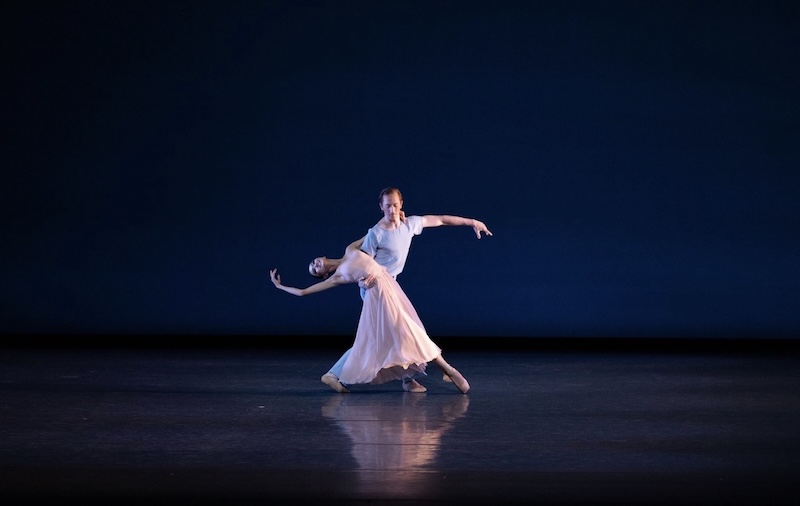
The performance at the summer festival featured the pas de deux Zephyre—Light Breath. This dance is a vibrant celebration of the beauty and romance of the relationship between a man and a woman. It showcases the partners’ perfect understanding and harmony, brilliant technique, and the pinnacle of ballet mastery.
Founded in 1969, the Harlem Dance Theater embodies classical ballet in its truest form. The company has dispelled the prejudice that classical ballet is not for Black people. This season features a new three-part ballet, Passage of Being. It is a ballet about the transience of time, living in the moment, and the fluidity and fragility of human connections. It features virtuoso technique, vibrant costumes, high energy, and emotional intensity.
The New York City Ballet is known for its successful blend of classical ballet and contemporary dance. At the summer festival, the company presented the men’s pas de deux Each in Their Own, Time choreographed by Lar Lubovitch. Brahms’s music was performed live on stage by a pianist.
The pas de deux is the pinnacle of classical ballet’s artistry and emotional expressiveness—a dialogue without words. It is a balance of masculinity and femininity, not a competition but a union that reveals the essence and nature of the relationship between a man and a woman. Men in ballet have earned the right to dance female roles, but whether this has made ballet more vibrant and interesting is not for me to judge.
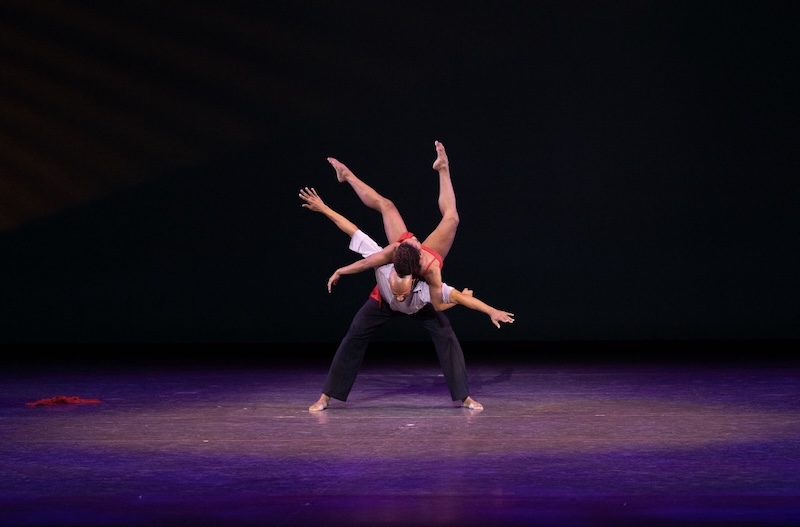
Alvin Ailey American Dance Theater, the world’s most famous African American dance company, was founded in 1958. At that time, the path to the classical stage was virtually closed to Black artists. Today, Alvin Ailey enjoys exceptional popularity. The company performed The Case of You, a dance duet set to the melody of a song by Joni Mitchell. This duet is the most famous piece from the ballet Reminiscing, the pinnacle of the company’s repertoire and its signature work.
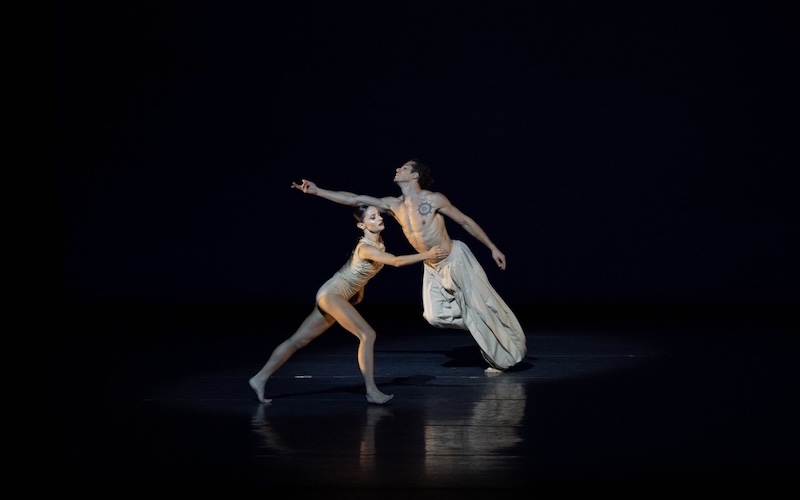
Ballet Hispánico was founded by Tina Rodríguez, a Mexican woman and the daughter of a bullfighter. It is the leading Latin American ballet company in the United States. Its repertoire blends flamenco, mambo, salsa, and classical ballet. The festival featured the piece Tranca— Intertwined, which explores the interplay between individuality and community in human relationships. The piece reflects the traditions of Brazilian dance. In my opinion, it was the most striking part of the collective performance by the five great American ballet companies.
Screenshot
This season, special attention was given to audience members with physical and mental disabilities: autism, sensory disorders, or learning disabilities. Attendees were free to choose whether to sit or stand, move around the auditorium, walk and leave at any time. Special visual aids and audio descriptions helped people who are visually impaired or blind understand what was happening on stage. Similar assistance was provided to visitors who are hard of hearing or deaf. People were allowed to bring their pets. It’s worth noting that the joyful, festive atmosphere remained undisturbed.
The festival organizers and attendees were also fortunate that Lincoln Center—despite drawing an audience of many thousands—had been spared the recent wave of fierce political protests. The area is fenced off with security barriers; there are police, search dogs, metal detectors, and bag checks—so far, there have been no incidents.
At the old festival, prior to 2019, the Batsheva Dance Company from Tel Aviv was at the center of the action. The program for the new festival makes no mention of Israeli artists. Should we approve or condemn the festival organizers’ policy? I don’t know. There’s no easy answer.
Today, even the Met Gala attracts crowds of pro-Palestinian activists. Next year’s Met Gala is scheduled to honor John Galliano, the most notorious anti-Semite in the fashion world, who is adored in the world of high fashion. The *New York Times* wrote that if you buy a ticket to see the Israel Philharmonic Orchestra at Carnegie Hall, you’re not just signing up for music—you’ll be met by an anti-Israel demonstration and heightened security. The golden age of Jewish participation in American culture has come to an end. What happens next is not a question for music festival organizers, but for city and national politicians. But there is little hope for them.
Эта рассылка с самыми интересными материалами с нашего сайта. Она приходит к вам на e-mail каждый день по утрам.